

There is a specific, haunting nostalgia that hits when the sun goes down and the house gets quiet. It’s the moment when you realize that despite finally being “okay”—the job is stable, the crisis has passed, the world is calm—you find yourself closing the curtains and longing for a rainy Tuesday and a heavy heart.
It feels like a betrayal of your own progress. We spend so much energy trying to “get better,” yet when the “better” finally arrives, it feels thin. It feels fragile. We find ourselves thinking the one thing we aren’t supposed to admit: I miss the comfort of being sad.
If you are currently sitting in the light but looking back at the shadows, you aren’t broken. You’re experiencing the paradox of the emotional safe zone—the strange, visceral reality that for some of us, sadness isn’t a prison; it’s a sanctuary.
Table of Contents

When you are in the thick of a crisis, like navigating the cold finality of a break up over text, the world is chaotic but certain. There is no ‘other shoe’ left to drop because the floor has already fallen out. This is exactly why, months later when life is quiet, you might find yourself whispering, ‘I miss the comfort of being sad’—you aren’t longing for the rejection, you are longing for the emotional certainty that comes with being at your absolute lowest.
The Ritual of Decompression
When the day ends and you find yourself thinking, “I miss the comfort of being sad,” what you are often experiencing is the “come down” from the high-stress performance of being “okay.” Your nervous system is searching for a way to regulate, and for many of us, sadness has been the only regulator we’ve ever known.
Finding the “Middle Gray” means learning new ways to lower the volume of the world without descending back into the heavy dark. We’ve found that a physical ritual can signal to your brain that the “Daylight” performance is over.
The Good Patch: Decompress is a wearable wellness patch infused with Ashwagandha and L-Theanine—botanicals known for helping the body navigate stress. It isn’t a “happy pill”; it is a steady, sustained way to lower your cortisol levels during those hours when the shadows start to pull at you.
If you are struggling with the transition from the office to the quiet of your own mind, this simple patch can be the physical anchor you need to stay grounded in the present, rather than drifting back into the past.
I Miss the Comfort of Being Sad: The Hidden Sanctuary of Melancholy
There is a specific, haunting nostalgia that hits when the sun goes down and the house gets quiet. It’s the moment when you realize that despite finally being “okay”—the job is stable, the crisis has passed, the world is calm—you find yourself closing the curtains and longing for a heavy heart. It feels like a betrayal of your own progress. We spend so much energy trying to “get better,” yet when the “better” finally arrives, it feels thin. It feels fragile. We find ourselves thinking the one thing we aren’t supposed to admit in a world obsessed with happiness: “I miss the comfort of being sad.”
If you are currently sitting in the light but looking back at the shadows, you aren’t broken. You’re experiencing the paradox of the emotional safe zone—the strange, visceral reality that for some of us, sadness isn’t a prison; it’s a sanctuary. To understand why we crave the rain even when the sun is shining, we have to look at the psychological “home” we built in the dark.
The Psychological Home: Why Does Sadness Feel Like Home?
The primary reason you might feel “homesick” for your own melancholy is a psychological phenomenon called Self-Verification Theory. This theory suggests that humans have a deep-seated need to be known and understood according to their own self-image. If you have spent months—or years—navigating heartbreak, loss, or a quiet sense of displacement, sadness isn’t just a mood anymore; it’s an identity.
When things finally start to go “right,” you might feel like an imposter. You might realize, “I miss the comfort of being sad,” because happiness feels like a performance you have to maintain, while sadness feels like the honest, unpolished truth. In the dark, you don’t have to “try” to be anything. There is a profound relief in stopping the climb and simply laying down on the floor.
The High Stakes of Being “Okay” vs. The Safety of the Bottom
In the world of emotional health, we often talk about “reaching the bottom” as a tragedy. But for the person living it, the bottom has one great advantage: It is stable. When you are happy, you have everything to lose. You are constantly scanning the horizon, waiting for the “other shoe to drop.” This creates a state of high-alert anxiety. You wonder if your joy is a loan that will soon be called in with interest.
- Happiness = High Stakes: “When will this end? What if I lose this feeling? I have to protect this.”
- Sadness = Low Stakes: “The worst has already happened. I am safe here because I cannot fall any further.”
When the pressure to stay “up” becomes too much, it is common to whisper, “I miss the comfort of being sad,” simply because the floor is more reliable than the ceiling. We often mistake this lack of “loss-anxiety” for comfort. It’s not that we want to suffer; it’s that we want to stop being afraid of the next fall.
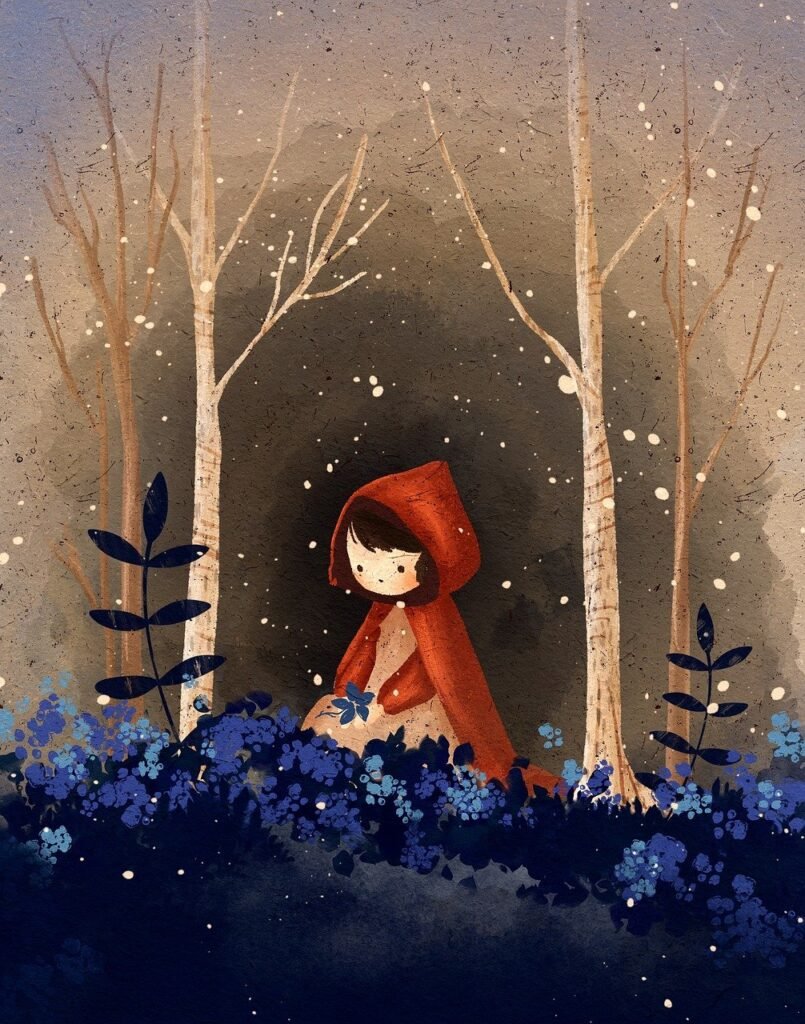
Sometimes, the nostalgia for our darkest moments is actually a longing for the time when we felt most ‘held’ by our circumstances. This same psychological drive for an anchor often manifests in our romantic choices. Just as we might find a strange security in a low mood, many find themselves perpetually drawn to partners who represent a finished, stable version of adulthood. If you’ve ever asked yourself, ‘Why do I fall for older guys?‘, you might find that the answer lies in the same ‘Self-Verification’ we discuss here. We aren’t just looking for love; we are looking for a container—someone or something that feels more solid than the shifting ground of our own happiness.
Finding a Rhythm in the Silence
One of the most haunting parts of admitting, “I miss the comfort of being sad,” is the realization that sadness gave your life a predictable rhythm. When you’re depressed, your days have a heavy, slow cadence. When you start to heal, the world feels fast, erratic, and overwhelming.
If you find yourself staring at the ceiling at 2 AM, unable to match the frantic pace of your thoughts to the stillness of your room, you need a visual anchor.
The Mindsight Breathing Buddha is a soft, glowing companion designed to pace your breath. It isn’t a loud, digital intrusion; it’s a silent, pulsing light that guides you through 4-7-8 breathing techniques.
Instead of drifting back into the “comfort” of a low mood just to find some stillness, use this guided light to create a new kind of peace. It’s a way to be “alone” without being “lonely,” and a way to breathe through the nostalgia until the sun finally comes up.
The Exhaustion of the “Daylight Self” and Toxic Positivity
There is a hidden tax on happiness that no one tells you about: Accountability. When you tell the world you’re doing “great,” you suddenly have a social contract to uphold. You’re expected to answer the texts, show up to the dinner parties, and maintain “the glow.” In our modern culture, we are victims of toxic positivity—the idea that we must always be “looking on the bright side.” This creates a “Daylight Self” that is perpetually exhausted from the labor of appearing well.
But sadness? Sadness is the ultimate “Do Not Disturb” sign.
When you find yourself saying, “I miss the comfort of being sad,” what you might actually be missing is the freedom to be still. * The Daylight Self: Needs to be “on,” social, productive, and achieving.
- The Midnight Self: Has permission to withdraw, to observe, and to simply exist without an output.
There is a seductive quietude in melancholy. It grants you a valid excuse to stop trying to “fix” your life and instead, just live in it. We often romanticize our darkest moments because they were the only times we felt truly allowed to rest without guilt.
Romanticizing Sadness: The Aesthetic of the Shadow
For many, sadness has a texture. It is visceral, sharp, and deeply cinematic. Think about the music you listen to when you are hurting—the minor keys, the haunting vocals, the lyrics that seem to reach into your chest. There is a richness there that “happy” music rarely achieves.
Why Our Most Creative Selves Live in the Dark
We don’t write poetry about a perfect brunch, yet we can fill journals with a single hour of 3 AM loneliness. When you are in the state of mind where you think, “I miss the comfort of being sad,” the world feels more intense. The rain feels heavier, the shadows are longer, and your thoughts have a gravity they lack during the distracted, sunny hours of the day.
For many of us, our “After Dark” identity is where our most profound insights live. We fear that by “fixing” our sadness, we are essentially lobotomizing our creativity. We worry that if we stop hurting, we will stop seeing the world in high definition. If you’re thinking, “I miss the comfort of being sad,” you might actually be grieving the loss of your muse.
The Trap of Emotional Numbness
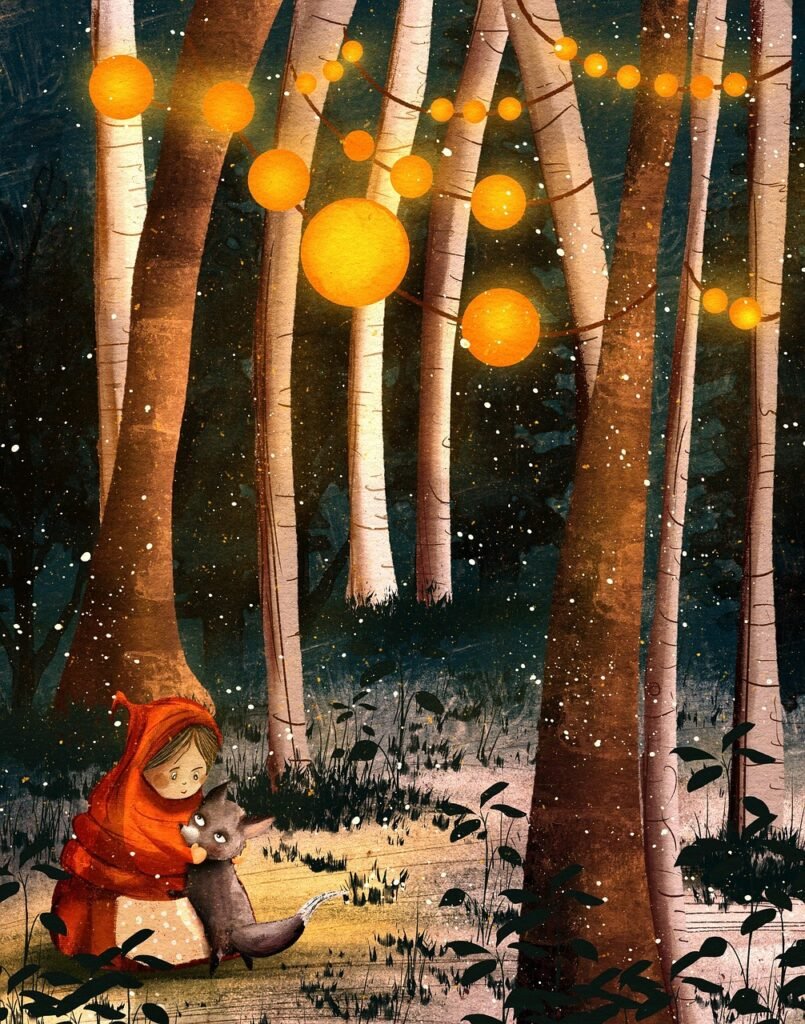
Sometimes, what we misidentify as “happiness” is actually just a flat, gray emotional numbness. If you’ve spent a long time in a state of high-intensity sadness, coming out of it can feel like the world has lost its color. You might reach a point where you confess, “I miss the comfort of being sad,” because, even though it hurt, it was intense. It made you feel alive. In contrast, “being okay” can feel boring, shallow, and robotic.
The Difference Between Peace and Numbness
- Numbness: A lack of feeling. A “flatness” where nothing touches you.
- Peace: A presence of calm. A state where you feel deeply, but you aren’t overwhelmed.
If you find yourself longing for the pain again, it may be because you haven’t found peace yet—you’ve only found a temporary numbness, and your soul is screaming for the intensity of any emotion, even the painful ones. At least in the darkness, you knew who you were. It is in this void that the thought arises: “I miss the comfort of being sad.”
The Secret Confessions of the Melancholic Soul
In our “After Dark” community, we hear the same refrain over and over: “I was a better person when I was sad.” There is a belief that sadness makes us more empathetic, more observant, and more “real.” We look at the “happy” people around us and they seem… oblivious. We fear that by joining their ranks, we are losing our “edge.”
A Midnight Confession: “When I was depressed, I felt everything. Now that I’m ‘recovered,’ I feel like I’m watching my life through a window. I miss the rain because at least I was outside in it. Truly, I miss the comfort of being sad.”
This sentiment is more common than we admit. It is the fear of losing our emotional depth. We associate our struggle with our “soul,” and we fear that a life without struggle is a life without meaning. We become nostalgic for the days when our pain gave us a sense of purpose.
The Inevitable Pull of the Past
As we move toward healing, we often encounter a “rebound” effect. The brain, accustomed to the neurochemistry of stress or grief, seeks a return to its baseline. During these moments of transition, you might feel an overwhelming urge to sabotage your current stability. You might listen to the old songs or visit the old places just to feel that familiar sting. You tell yourself, “I miss the comfort of being sad,” as a way to return to the known.
Recognizing the Habit of Heartbreak
Sadness can be an addiction just like any other. It triggers a specific internal response that, while painful, is deeply familiar. If you find that you frequently think, “I miss the comfort of being sad,” it is worth investigating whether you are addicted to the “story” of your own suffering. There is a narrative power in being the “tragic hero” of your own life that is hard to give up for the role of a “regular person.”

There is a strange, haunting period that follows a crisis where the ‘sharp’ pain is gone, but nothing has grown back to replace it. This is the danger zone for nostalgia. If you are currently in the process of healing a broken heart, you might find that the initial agony was easier to handle than the current boredom of being ‘fine.’
We find ourselves whispering, ‘I miss the comfort of being sad,’ because at least when we were heartbroken, we knew exactly who we were: we were the person who loved and lost. In the ‘Middle Gray,’ we are just… existing. Learning to sit in that quiet without reaching for the old blade of grief is the hardest part of moving on.
Finding a Physical Floor
When we say, “I miss the comfort of being sad,” what we are often craving is the sensation of being grounded. Sadness is heavy; it pulls you down to the earth and keeps you there. In contrast, happiness can feel airy, light, and dangerously untethered.
To find the “Middle Gray,” we have to learn how to feel grounded without needing the weight of a low mood to do it for us.
Many in our community have turned to this Grounding Mat for Inflammation and Balance. By connecting your body to the earth’s natural energy while you sleep or work, it helps regulate your nervous system and reduce the “static” of 3 AM anxiety.
It’s a way to feel the earth beneath you—literally. If you’re struggling with the feeling of drifting away in your own recovery, this grounding tool can provide the physical stability that your mind is currently trying to find in the shadows.
Finding the “Middle Gray”: How to Live Between the Light and the Shadow
The goal of emotional wellness isn’t to force yourself into a state of permanent, blinding positivity. That isn’t healing; that’s a facade. The goal is to find the Middle Gray—the space where you aren’t suffering, but you aren’t “performing” joy either.
1. Reclaiming Intimacy with the Self
When you say, “I miss the comfort of being sad,” you are really saying, “I miss the intimacy I had with myself when the world wasn’t watching.” You can keep that intimacy. You can be stable and “okay,” while still carrying the wisdom of the shadows you’ve walked through.
2. Honoring the “Shadow Self”
You don’t have to evict your “Midnight Self” to live a “Daylight Life.” You can be the person who manages their life well during the day, but still allows themselves to feel. You don’t have to choose a side. You don’t have to say, “I miss the comfort of being sad,” and move back into the dark; you can simply bring a piece of that dark into your current light.
Conclusion: Carry the Dark into the Light
Missing the comfort of being sad isn’t a sign that you are sliding backward or that you “want” to be miserable. It is simply your soul’s way of acknowledging that your darkest days taught you things the light never could. It is a tribute to the intimacy you developed with yourself when the rest of the world was asleep.
You aren’t losing your soul; you’re just learning to breathe in a different atmosphere. The next time you feel that familiar tug toward the shadows and think, “I miss the comfort of being sad,” don’t panic. Don’t assume you’ve failed at being “happy.” Just sit with it for a moment. Acknowledge the safety it once gave you, then turn the light back on—slowly, and on your own terms.
Final truth: You can be whole, and you can still remember the beauty of being broken. You don’t have to stay there just because you remember it fondly. When the voice in your head says, “I miss the comfort of being sad,” answer it with: “I remember, but I am learning to be okay with the sun today.”
Decrypt Your Shadows: The Midnight Diagnostic Tool
Sometimes, the hardest part of healing is admitting that a part of you doesn’t want to leave the dark behind. If you find yourself scrolling at 3 AM thinking, “I miss the comfort of being sad,” it is time to understand the specific psychological architecture of that longing.
This diagnostic tool is designed to help you peel back the layers of your “After Dark” identity. By answering these five sequential questions, you will move past the surface-level numbness and uncover the root cause of your emotional nostalgia. Are you grieving a lost muse, or are you simply exhausted by the performance of being okay?
Run the decryption below to find your archetype.
The sun has set. You are alone with the silence. What is the first thing you reach for?
CONFESS. EXPLORE. CONNECT.
What is one thing you miss about your “sad” self? Is it the quiet? The lack of expectations? The art?
Leave your confession below—anonymously. Let the shadows speak.

No responses yet